©2026 Ache. Todos los derechos reservados.
Netflix
Juan Gabriel – La Balada de Alberto
Experience
Mexico City
2025
Experiential, Marketing
Context
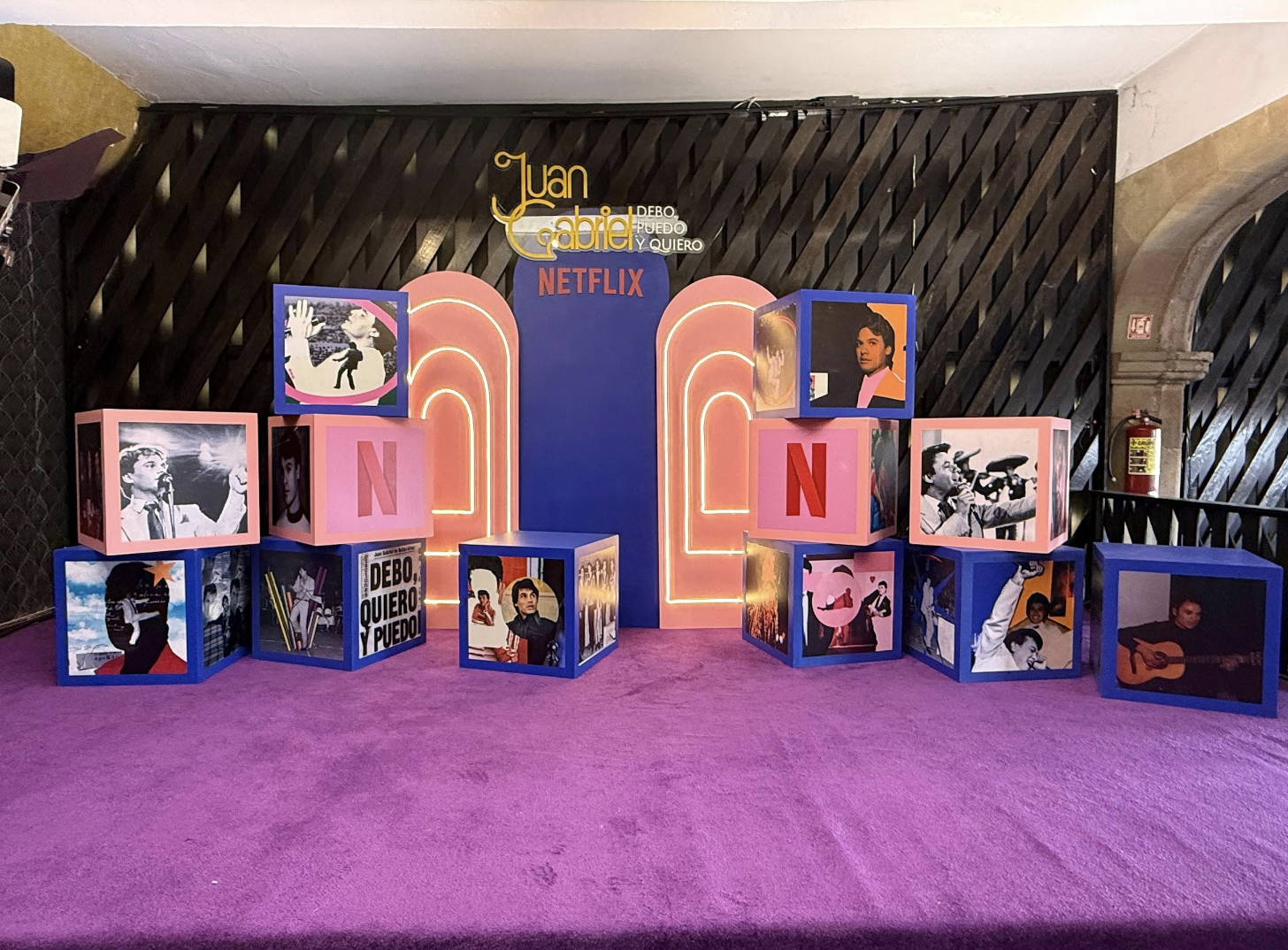
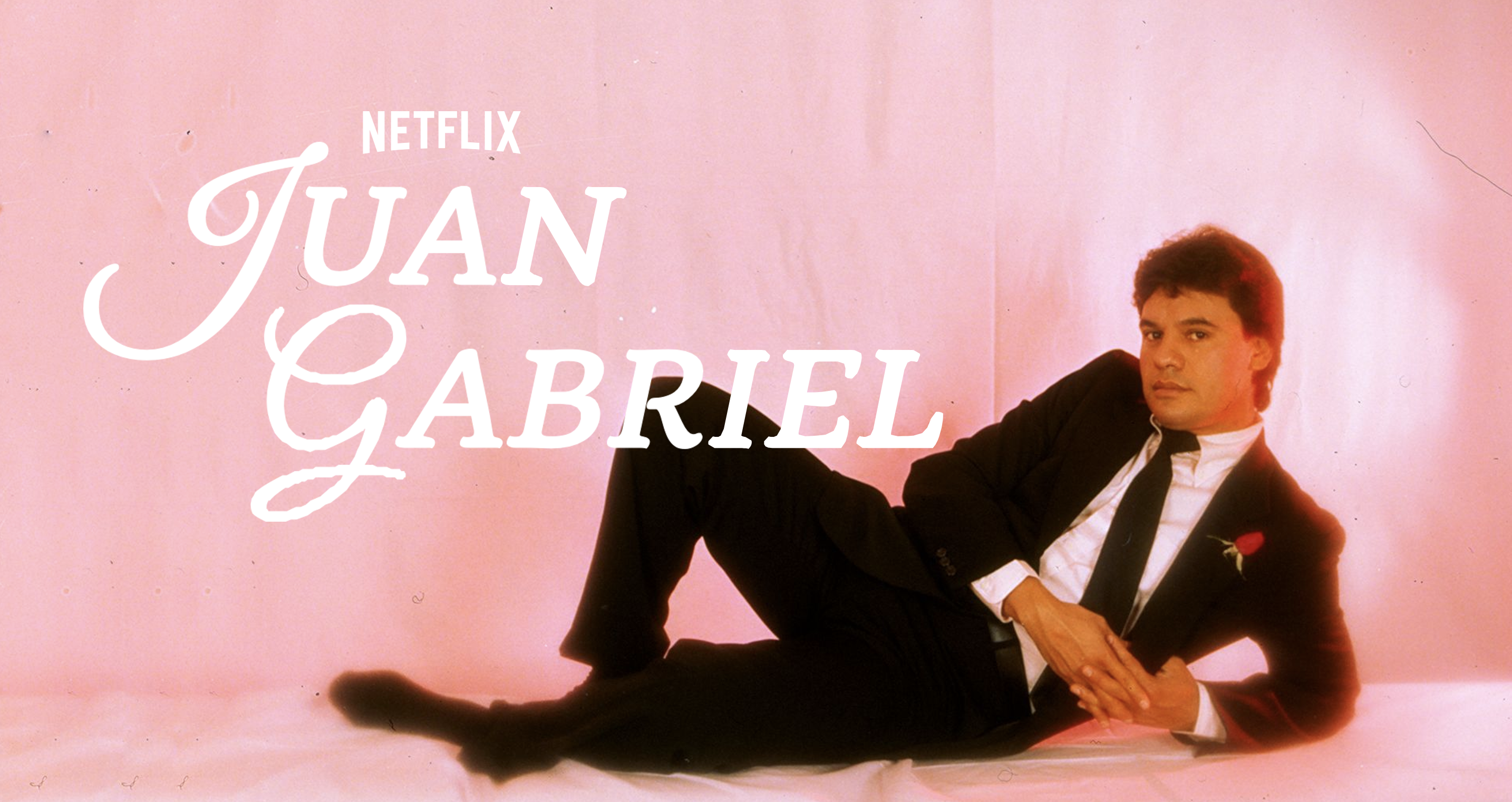
Netflix faced a monumental communications challenge: launching a new documentary series about Alberto Aguilera, the man behind the legend and the biggest pop culture icon in our country: Juan Gabriel. For over 55 years, entire generations of Mexicans have sung his songs, embedding them deeply into our lives, celebrations, and cherished moments. However, the complete story of “Alberto”—an unknown young man who overcame countless obstacles to reach the hearts of a nation—still held details unknown to the public. Netflix’s challenge was to figure out how to generate massive interest in a biographical documentary using its most powerful asset: his music. His greatest milestone occurred in 1990, when he defied conventions to become the first popular artist to perform at the Palacio de Bellas Artes, a venue previously exclusive to “high culture” such as opera, theater, and classical music. That concert became his best-selling live album and a cornerstone of our national identity. However, while millions have listened to that record, only a lucky few had the privilege of experiencing it in person. In the context of the Netflix release, we brought this story from the screen into a collective, shared experience, appealing to nostalgia and the unconditional love of the Mexican people for one of their greatest idols.
Objective
For this launch, Netflix established goals beyond traditional streaming metrics, seeking to directly impact the audience's emotions through cultural engagement. Key goals included: first, generating a massive-scale event by gathering 70,000 people at a live experiential event in the heart of Mexico City, drawing viewers out of their homes to connect emotionally with the platform and the content out on the streets; second, leading the media and cultural conversation (Earned Media) by surpassing impact metrics through a PR campaign and massive digital amplification, aiming to dominate the national agenda; furthermore, driving documentary views by converting all experiential engagement and live euphoria into direct streams, successfully positioning the documentary series at the coveted #1 spot in viewership on Netflix Mexico following its premiere; and finally, building audience loyalty by transforming a past musical milestone into an innovative present-day experience, reinforcing Netflix's positioning not just as a content platform, but as a creator of impactful experiences tied to entertainment, nostalgia, and pop culture.
Challenge
The Idea
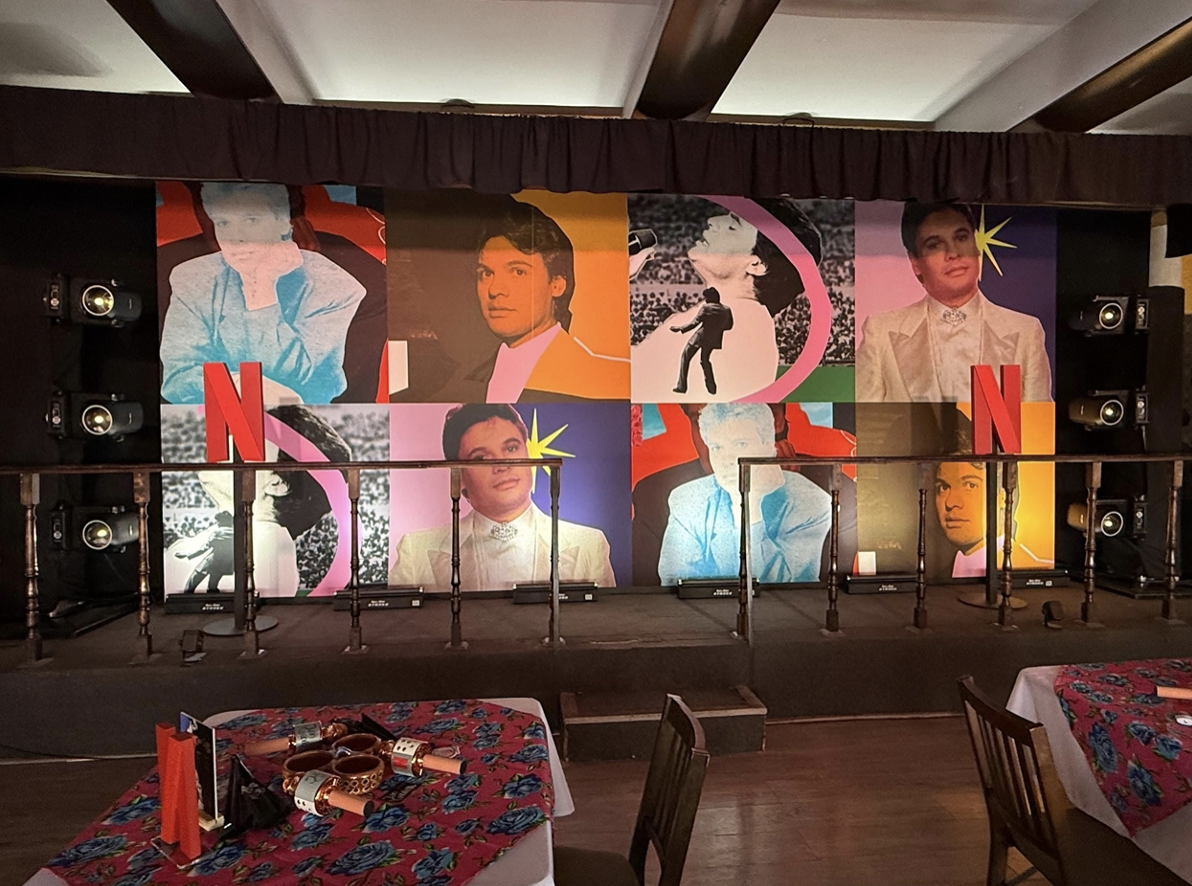
El insight The central insight was born from a disruptive paradox: while every Netflix campaign aims to keep people at home in front of a screen, this one demanded the exact opposite. To honor the magnitude of the icon, we needed to bring the audience out of their homes and bring the content to life in a collective celebration. The “La Balada de Alberto” campaign consisted of democratizing the most exclusive moment in Juan Gabriel’s history: his legendary 1990 concert at the Palacio de Bellas Artes. Instead of investing solely in traditional advertising for the documentary, Netflix restored and remastered this historic concert, which had never been seen in its entirety. The disruptive idea was to screen this material, completely free of charge, in the capital’s Zócalo—the main public square and most important cultural heart of Mexico. In doing so, we transformed the city’s highest-traffic urban hub into a giant concert hall, cinema, and karaoke space all at once. We didn’t just revive a historic pop culture moment; we appealed directly to the Mexican lifestyle, which finds passion and expression in music. We went from telling Alberto’s story to enabling millions to live it, demonstrating that the platform understands audience emotions and can turn an audiovisual release into a community ritual and a major cultural moment.
How did we do it?
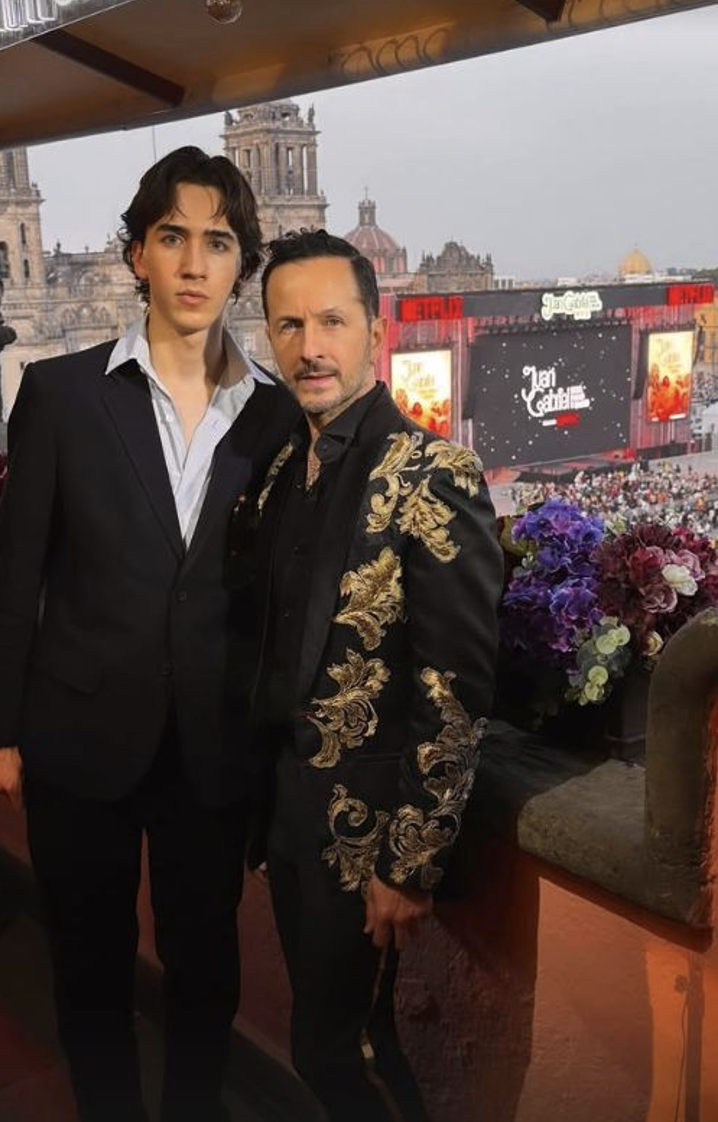
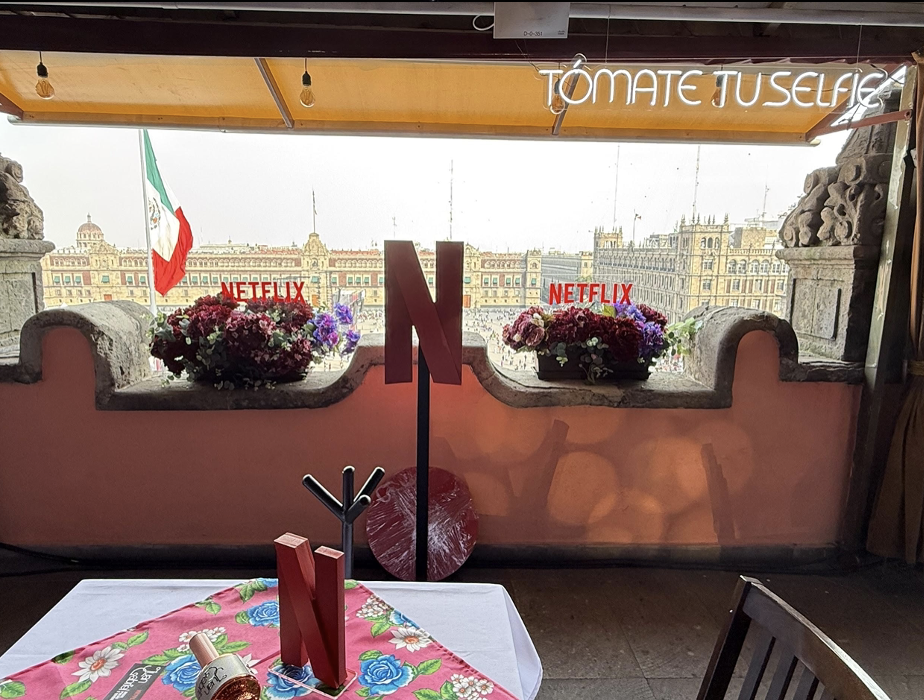
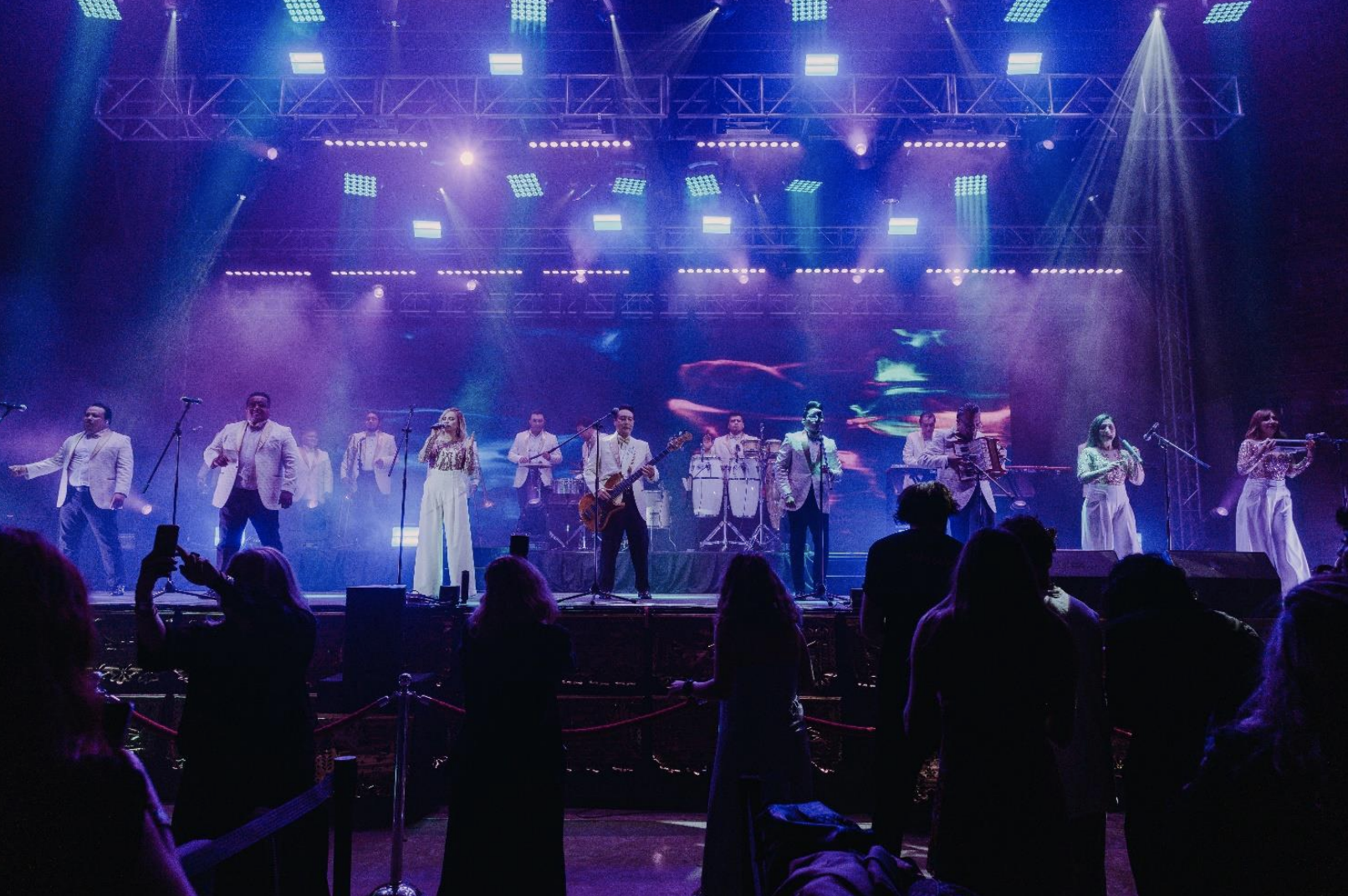
The execution was designed as a funnel of physical and digital experiences culminating in a historic event. The initial phase launched with two months of intense PR focused on prestigious mass media to build anticipation around the untold story of Alberto Aguilera. On October 21, we launched the official announcement across social media platforms, Out of Home (OOH) media, and television. The climax arrived on November 8, when the Zócalo was virtually and emotionally transformed into the Palacio de Bellas Artes: we installed a full concert stage, security barriers, sound towers, and a colossal projection screen. To encourage interactive participation, we set up two stations called “Duele Bonito-cam.” These cameras allowed fans to sing at the top of their lungs and project their excited faces onto giant side screens, visually joining the show alongside Juan Ga.
La Balada de Alberto